
In ten years as a HACCP lead, the compliment I value most is the one nobody says out loud: an event where the food safety was invisible. Guests ate, celebrated, and went home well — and never thought about temperature logs or allergen labels once. That invisibility takes real systems, and in this guide I’ll show you what they look like, so you know exactly what to demand from any caterer you book in Dubai.
What Is Food Safety and Hygiene in Catering?
Food safety and hygiene in catering means handling, preparing, storing, and serving food in ways that prevent contamination and illness. It covers everything from clean kitchens and correct cooking temperatures to safe storage and healthy, well-trained staff.
In simple terms, it’s the set of practices that keep food safe from the kitchen all the way to your guest’s plate. When it’s done well, nobody even notices it. When it’s ignored, the results can be serious, ranging from upset stomachs to dangerous food poisoning that can turn a celebration into a crisis.
Good hygiene isn’t optional in Dubai, where food preparation is closely regulated by the authorities. Choosing a professional, certified catering provider means your meals are prepared under strict, audited standards rather than left to chance.
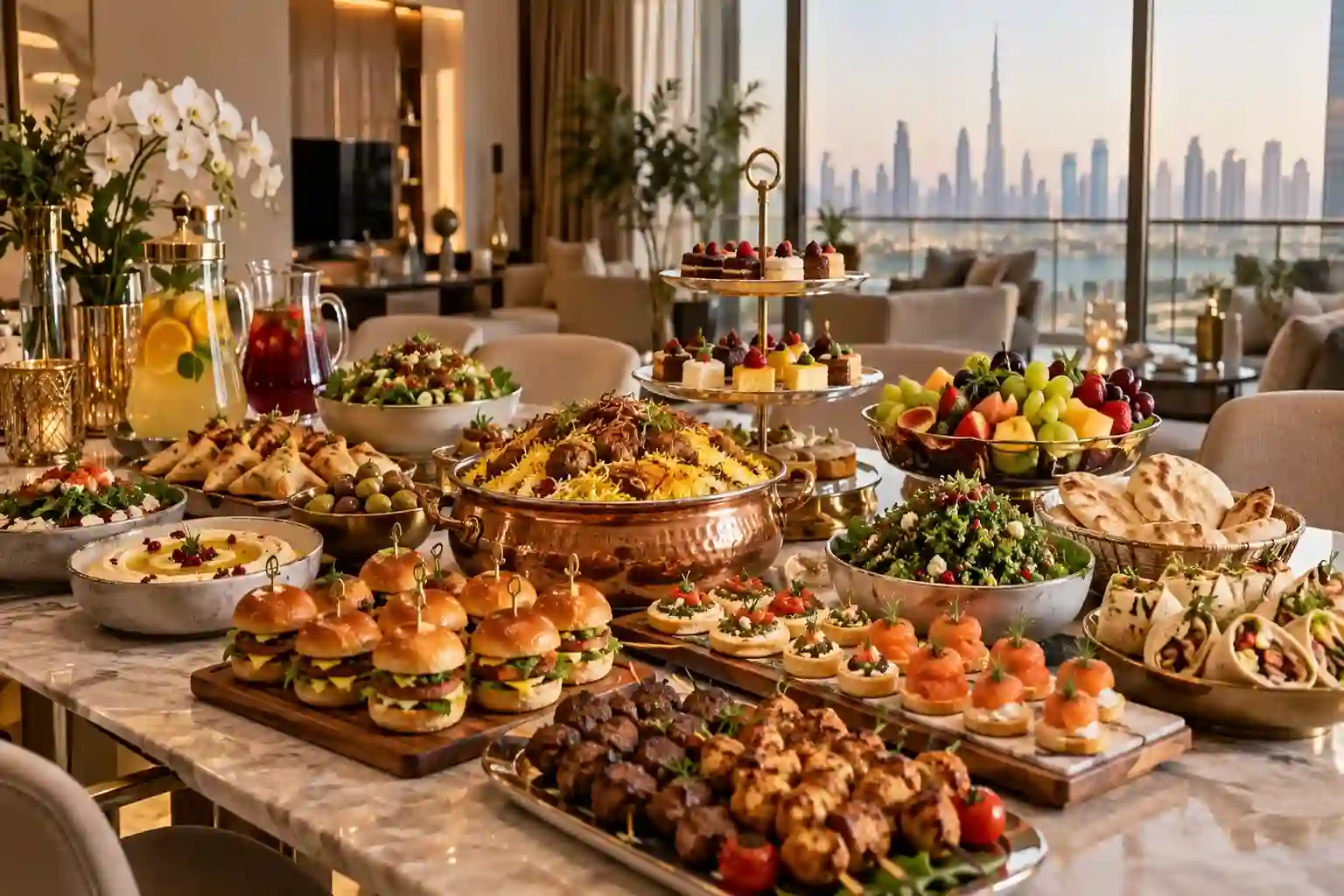
For larger gatherings, a trusted event catering in Dubai team manages safety at every stage of the process. That way you can focus on enjoying your guests while the experts handle the hygiene, temperature, and serving details that keep everyone well.
Why Does Food Safety Matter for Your Event?
Food safety is essential for protecting your guests, maintaining your reputation, and ensuring a successful event. Proper food handling helps prevent health risks while keeping meals fresh and enjoyable.
Key reasons food safety matters include:
- Protects guests from foodborne illnesses and contamination.
- Helps create a positive and enjoyable event experience.
- Preserves your reputation as a host or business.
- Ensures compliance with Dubai’s food safety regulations.
- Maintains food quality, freshness, and flavour.
- Reduces the risk of legal issues or health-related complaints.
- Demonstrates professionalism and attention to detail.
- Provides peace of mind for both hosts and attendees.
When food safety standards are followed correctly, guests can focus on enjoying the event while you can be confident that every meal is being served safely and responsibly.
What Are the Main Food Safety Risks in Catering?
Most catering risks come down to a few well-known dangers. Harmful bacteria such as Salmonella, E. coli, and Listeria can grow in food that is poorly stored or undercooked. Cross-contamination is another common problem, where bacteria spread from raw ingredients to cooked dishes through shared knives, boards, or hands.
Temperature is perhaps the biggest risk of all. When food sits too long in the “danger zone,” the warm range where bacteria multiply fastest, it can become unsafe even if it looks and smells fine. To put numbers on it: the danger zone runs roughly 5°C to 60°C, and in our kitchen anything that spends more than the permitted window inside that range is discarded — no exceptions, no “it still smells fine.” Food can be unsafe while looking and smelling completely normal, which is why we trust thermometers, not noses. Add poor personal hygiene among food handlers or a mistake with allergens, and the risk grows further. Understanding these dangers is the first step to preventing them, which is exactly what trained caterers are taught to do every day.
What Food Hygiene Practices Do Professional Caterers Follow?
Professional caterers protect your food through a few core habits applied at every stage. They control temperature carefully, keeping hot food hot and cold food cold so bacteria never get the chance to thrive. They prevent cross-contamination by separating raw and cooked items and using different tools for each.
Strong personal hygiene runs through everything, from regular handwashing and gloves to clean uniforms and hair coverings. Food is stored and transported in sealed containers at safe temperatures, surfaces and equipment are cleaned and sanitised constantly, and allergens are clearly labelled and handled with care. If you’d like to understand the basics in more depth, this food hygiene guide explains the key principles every caterer and host should know.
Why Is Food Safety Extra Important in Dubai’s Climate?
Dubai’s heat makes food safety even more critical than in cooler places. Warm temperatures speed up bacterial growth, so a dish left out for too long can quickly become unsafe. Outdoor events, long buffets, and extended serving times all add to that risk.
This is why experienced caterers here pay such close attention to temperature control, covered dishes, and quick, well-timed service. The hotter the setting, the more important strict hygiene becomes, and a good caterer plans around the climate rather than ignoring it.
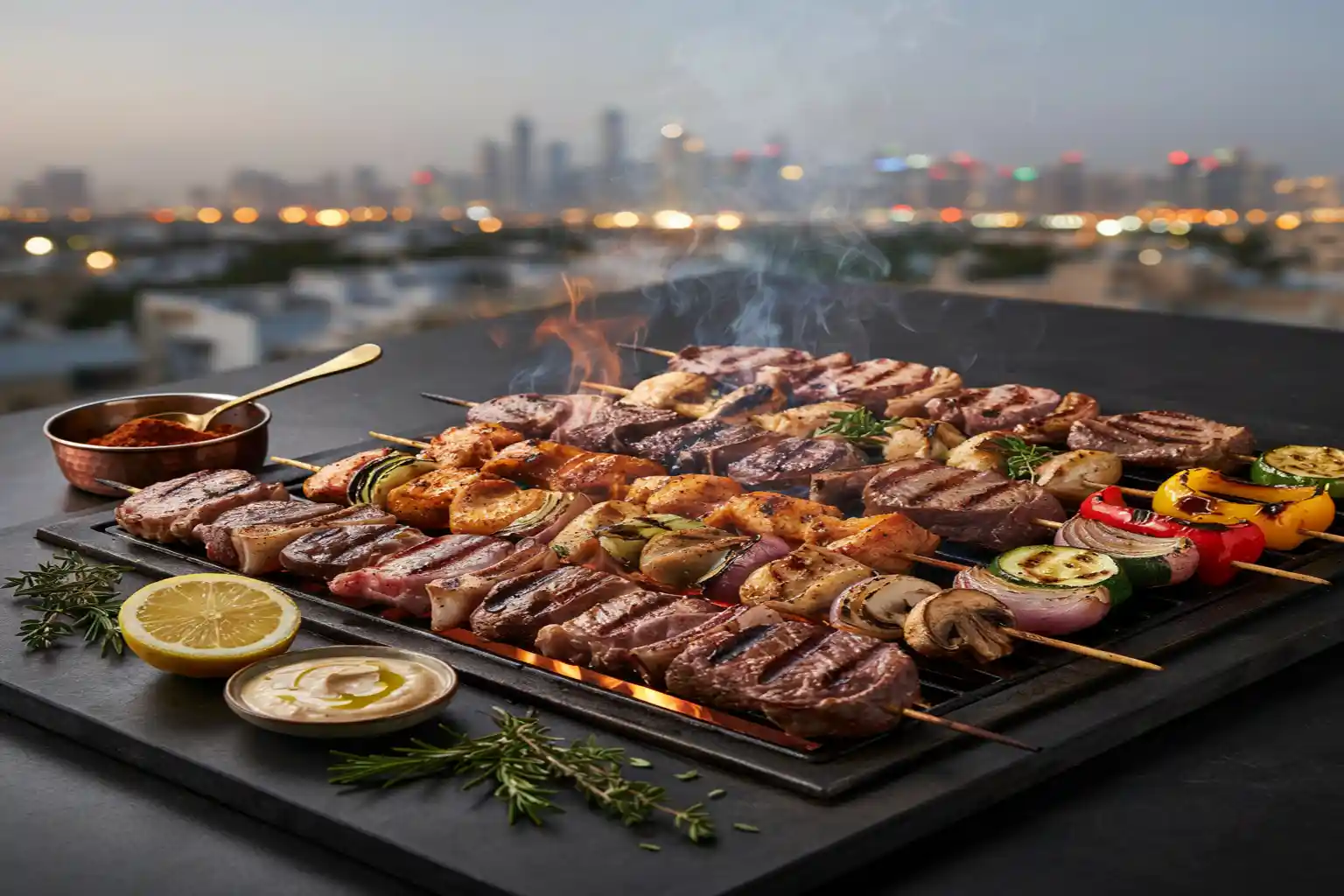
The setups that demand the most from my checklists are outdoor summer events — for those, our outdoor BBQ catering teams work with covered displays, chilled stations, and smaller trays replenished more often, because in a Dubai July the serving table is the most dangerous stage of the whole journey.
How Do You Choose a Caterer With High Food Safety Standards?
The best way to protect your guests is to choose a caterer who treats hygiene as a priority, not an afterthought. Look for recognised food safety certification, such as HACCP, along with trained food handlers and clean, well-managed kitchens. A caterer who handles allergens clearly and carries strong reviews is usually one you can rely on.
Most importantly, don’t be afraid to ask questions The three questions I’d ask any caterer, including us: Is your kitchen HACCP-certified? How do you keep temperatures safe in transit? What happens to food after the serving window closes? Confident, specific answers are the mark of a kitchen with nothing to hide.
A Simple Food Safety Checklist for Your Event
A little planning goes a long way toward a safe, stress-free event. Before the big day, keep these essentials in mind:
- Confirm the caterer’s hygiene certifications before booking.
- Share any guest allergies or dietary needs well in advance.
- Make sure hot and cold foods are kept at safe temperatures throughout.
- Plan serving times so food isn’t left sitting out too long.
- Provide shade or indoor space for outdoor gatherings.
- Ask how leftovers will be stored or handled afterward.
Frequently Asked Questions
Why is food hygiene important in catering?
Food hygiene prevents contamination and foodborne illness. It keeps your guests safe, protects your reputation, and ensures the food stays fresh and high in quality.
What is the food safety “danger zone”?
It’s the temperature range where bacteria grow fastest. Keeping food properly hot or cold, rather than lukewarm, is what stops this from happening.
How can I tell if a caterer follows good hygiene?
Look for food safety certifications, trained staff, clean kitchens, and clear allergen handling. A reliable caterer will gladly share these details when asked.
Is food safety more important for outdoor events in Dubai?
Yes. The heat speeds up bacterial growth, so outdoor events need extra care with temperature control, covered food, and quick serving.
Who is responsible for food safety at an event?
The caterer handles safe preparation and serving, but hosts help by sharing guest needs and ensuring good serving conditions on the day.
Conclusion
Food safety and hygiene in catering aren’t just behind-the-scenes details. They are the foundation of a successful, worry-free event. By choosing a certified, hygiene-focused caterer and planning a few simple steps in advance, you protect your guests and ensure every dish is as safe as it is delicious.
Planning an event soon? Choose a trusted caterer who takes hygiene seriously, and give your guests a dining experience that’s both memorable and completely safe.