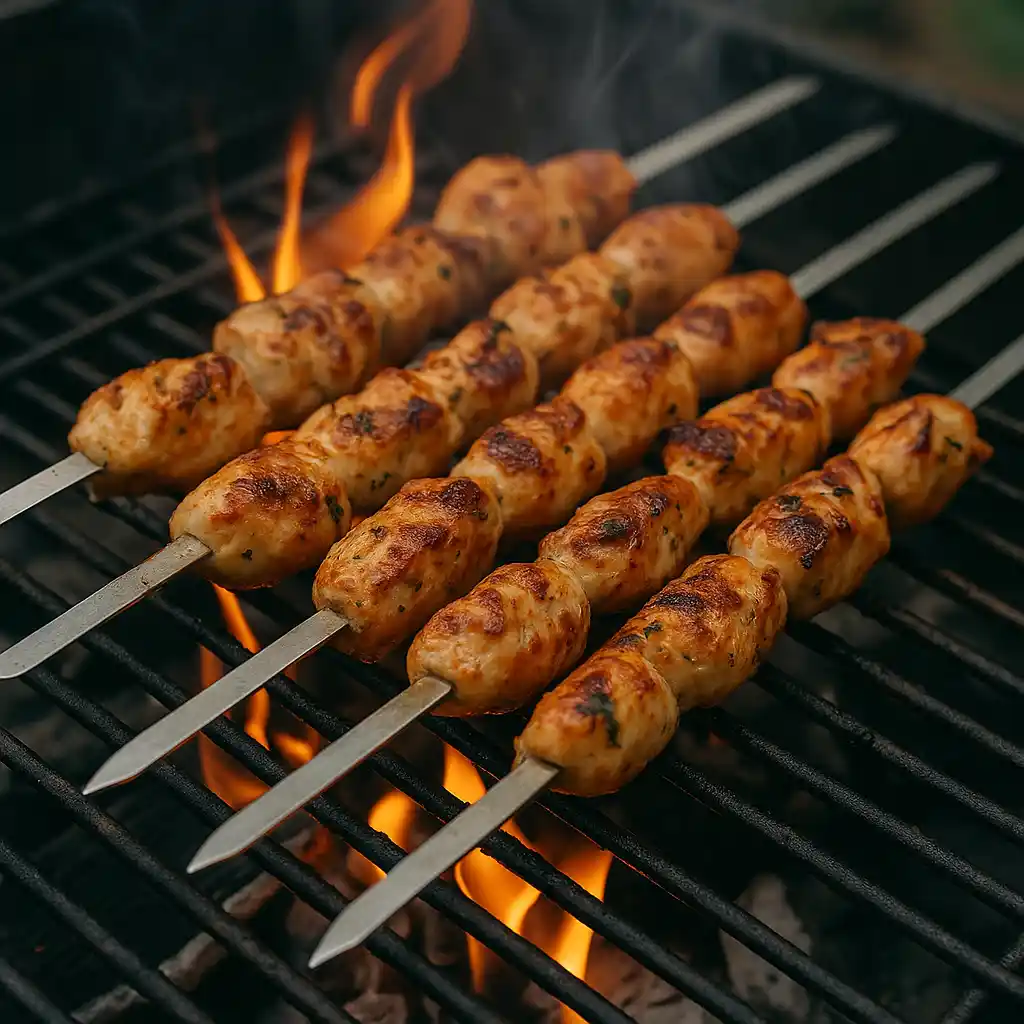
Chicken kababs are a timeless favorite across cuisines, whether grilled outdoors, cooked in the oven, or pan-seared in the kitchen. Their smoky aroma and flavorful taste make them irresistible. However, one common challenge home cooks face is keeping kababs from turning dry or chewy.
So, how do restaurants and expert chefs consistently deliver soft, moist, and flavorful kababs? The secret lies in the right preparation, marination, and cooking methods. In this blog, we’ll explore proven cooking tips that guarantee juicy chicken kababs every time.
Why Do Chicken Kababs Turn Dry?
Before diving into solutions, let’s understand why kababs lose moisture:
- Overcooking – High heat or extended cooking time dries out the meat.
- Lean cuts of chicken – Breast meat has less fat, making it more prone to dryness.
- Insufficient marination – Skipping or shortening marination prevents flavors and moisture from infusing the meat.
- Improper grilling techniques – Direct flames or uneven heat distribution can dehydrate kababs.
With these issues in mind, let’s look at the proven ways to keep chicken kababs tender and juicy.
Tip 1: Choose the Right Cut of Chicken
The cut of chicken you select plays a big role in texture:
- Thigh meat – Slightly higher in fat, chicken thighs remain moist and juicy even after grilling.
- Breast meat – Healthier but leaner, requiring careful marination and precise cooking to avoid dryness.
For the juiciest kababs, many chefs recommend mixing both thigh and breast meat for a balance of tenderness and health benefits.
Tip 2: Marinate Properly for Maximum Moisture
A well-prepared marinade is key to locking in juiciness. Essential components include:
- Acidic base – Yogurt, lemon juice, or vinegar tenderizes the chicken.
- Moisture agents – Yogurt is especially effective in keeping chicken moist.
- Spices and herbs – Garlic, ginger, cumin, coriander, paprika, and chili add flavor.
- Oil – A small amount of oil ensures even cooking and prevents sticking.
For best results, marinate chicken for at least 4 hours—overnight if possible. This allows flavors to penetrate and the acids to break down proteins for a softer texture.
This approach is also why professional kitchens and BBQ catering in Dubai are able to serve consistently juicy, flavorful kababs at events and gatherings, even when cooking in large batches.
Tip 3: Balance Heat and Timing
Cooking temperature and timing are critical:
- Medium heat is ideal—high heat can burn the outside while leaving the inside undercooked.
- Turn kababs regularly to cook evenly and prevent charring.
- Do not overcook—chicken is done when the internal temperature reaches 165°F (74°C).
If you’re grilling outdoors, position kababs slightly away from direct flames to avoid losing moisture too quickly.
Tip 4: Use Basting for Extra Juiciness
Basting adds an extra layer of flavor and prevents drying:
- Brush kababs with melted butter, olive oil, or leftover marinade (that hasn’t touched raw meat) during cooking.
- This helps retain moisture and enhances the smoky flavor of grilled kababs.
Tip 5: Skewering Technique Matters
How you arrange chicken on skewers affects cooking results:
- Don’t overcrowd – Leave small gaps between pieces for even cooking.
- Alternate with vegetables – Onions, peppers, and tomatoes not only add flavor but also release moisture during grilling.
- Flat skewers – They hold meat more securely, preventing rotation and ensuring even grilling.
Tip 6: Rest Kababs Before Serving
Just like steaks, kababs need resting time:
- Remove kababs from heat and let them sit for 3–5 minutes.
- Resting allows juices to redistribute within the chicken, making each bite tender and flavorful.
Skipping this step can cause juices to run out too quickly when you cut into the kababs.
Additional Flavor Boosters
Beyond the basics, try these tricks to elevate your kababs:
- Add a pinch of garam masala or smoked paprika after cooking for a burst of aroma.
- Experiment with fresh herbs like cilantro or parsley for a refreshing finish.
- Serve with chutneys or dips—mint yogurt chutney or garlic sauce complements juicy kababs perfectly.
And if you’re curious about other grilled recipes, many chefs often explain how long to grill a whole chicken for juicy, tender meat, since timing is just as crucial for larger cuts as it is for skewered kababs.
How to Avoid Common Mistakes
Even wiht the right ingredients, small missteps can ruin the texture of kababs:
- Avoid skipping oil in marinades—it adds essential moisture.
- Never cook kababs straight from the fridge; let them reach room temperature first.
- Don’t reuse raw marinade for basting unless it’s boiled for safety.
These common mistakes are often addressed by professional teams offering catering services in Dubai, who follow precise cooking steps to deliver consistently soft and juicy kababs for events and special occasions.
Conclusion
Perfecting chicken kababs isn’t just about flavor—it’s about texture. By choosing the right cut, marinating effectively, balancing cooking temperatures, and using techniques like basting and resting, you can ensure soft and juicy kababs every time.
These proven cooking tips guarantee that whether you’re hosting a backyard BBQ, cooking for family, or recreating restaurant-style kababs at home, your chicken kababs will always impress.
With the right preparation and care, dry kababs will be a thing of the past—leaving you with tender, flavorful bites packed with smoky goodness.