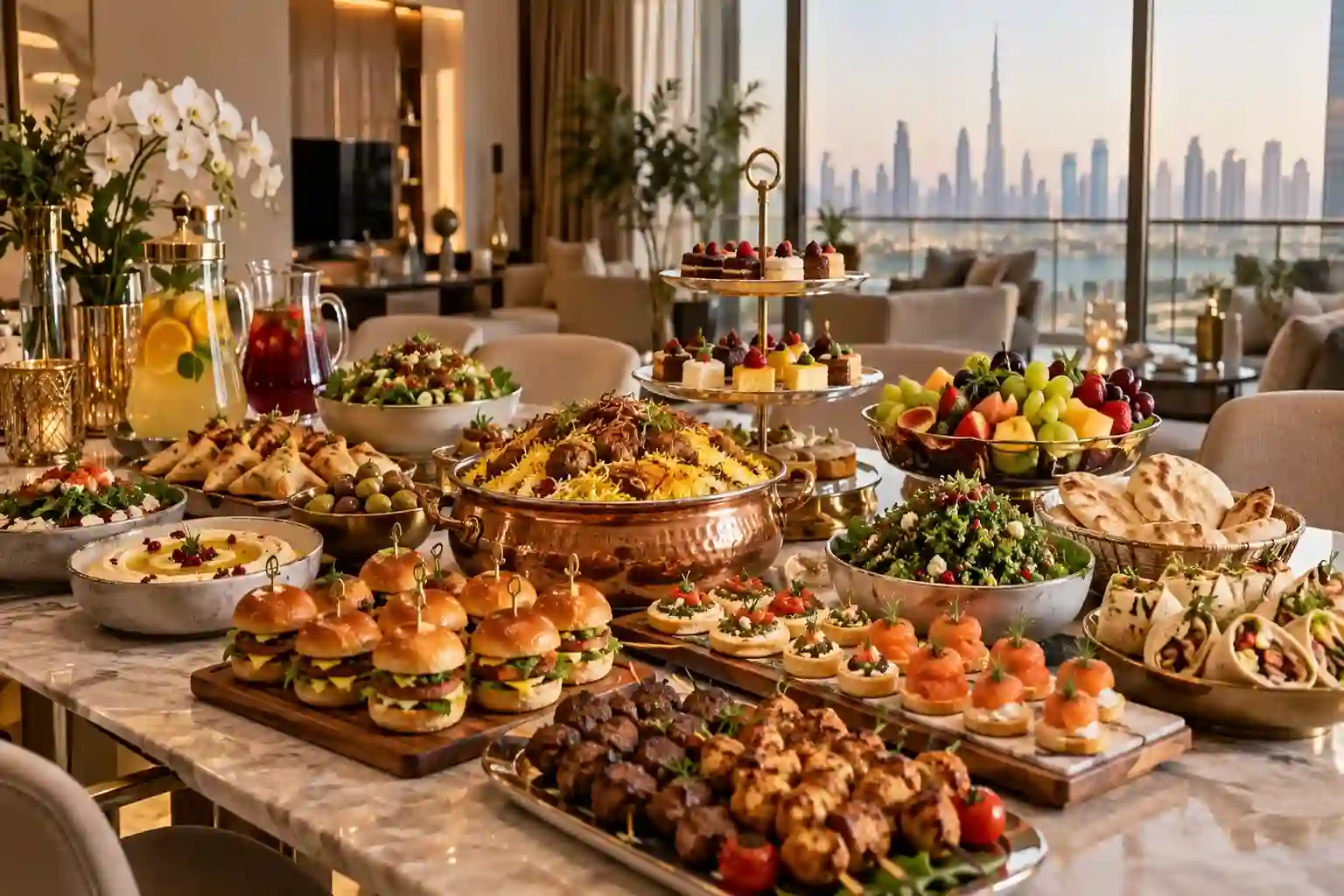
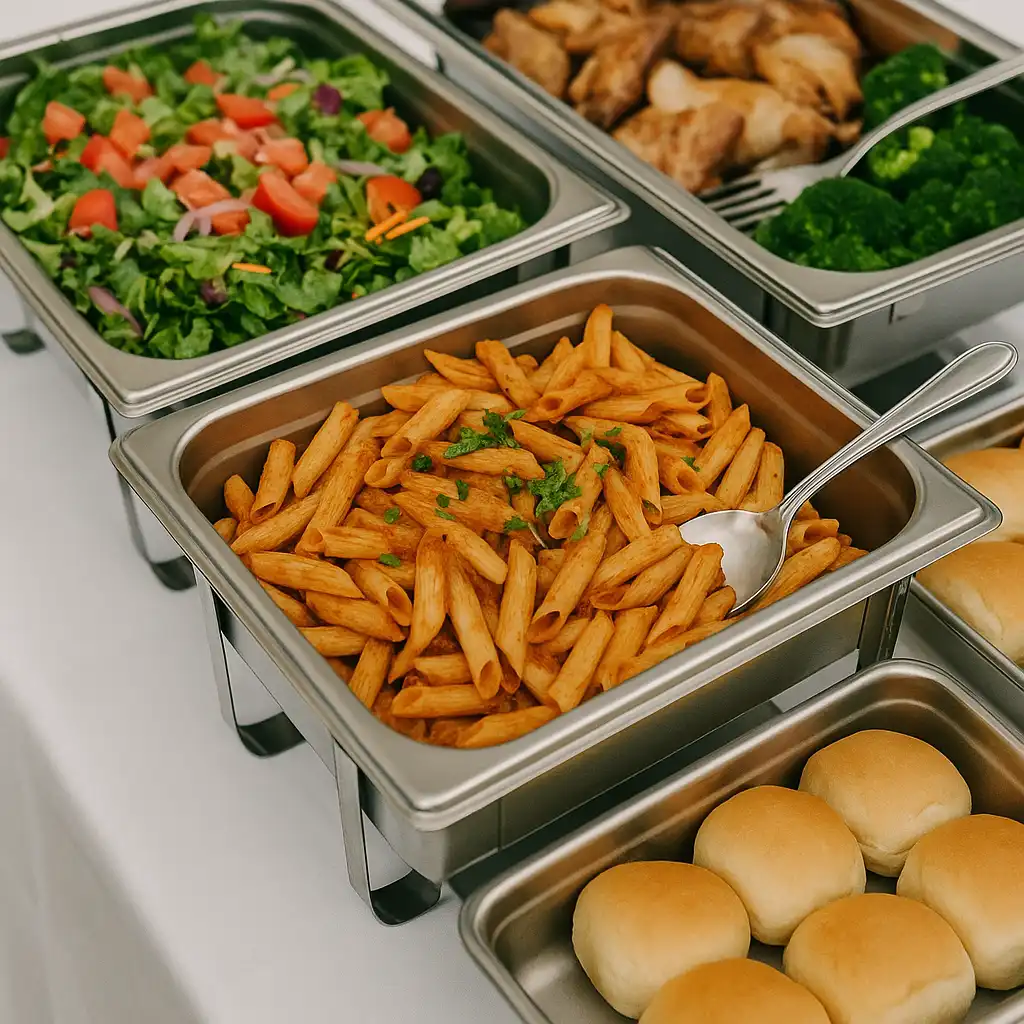
Planning food portions is one of the most important aspects of successful event catering. Whether you are hosting a wedding, a birthday party, or a large corporate event, the goal is the same: keep guests satisfied without overspending on food or ending up with excessive waste. Calculating portions correctly ensures everyone enjoys a delightful dining experience while keeping costs under control.
In this guide, we’ll break down the essentials of food portioning, tips for different event styles, and strategies professionals use to balance variety, budget, and satisfaction.
Why Proper Food Portioning Matters
Food is at the heart of any gathering. However, misjudging the amount can lead to two common issues: running out of dishes or throwing away trays of leftovers. Both scenarios can be stressful for hosts and disappointing for guests.
Professional caterers—especially those offering premium catering services in Dubai—focus on portion planning to create memorable experiences. Accurate portioning also helps align with dietary preferences, cultural requirements, and the overall theme of the event.
Understanding Standard Food Portion Guidelines
When estimating quantities, it’s helpful to rely on catering industry averages. Here are some general portion guidelines:
Appetizers: 4–6 pieces per person for light receptions; 8–10 pieces for heavy appetizer events.
Main courses (buffet style):
- Meat or fish: 150–200 grams per person
- Pasta, rice, or grains: 100–120 grams per person
- Vegetables or side dishes: 80–100 grams per person
- Desserts: One slice or portion per guest, plus a few extras for variety.
- Beverages: Plan 1–2 drinks per guest for the first hour, and 1 drink per hour after.
These serve as starting points. The event type, duration, and guest demographics will influence the final numbers.
Catering for Weddings
Weddings are known for their variety of courses and large guest lists. Here’s how to approach food portioning:
- Buffet weddings: Guests typically take smaller portions of multiple dishes. Planning slightly less per dish works because variety spreads consumption.
- Plated weddings: Each guest receives a set plate, so portion control is straightforward. Focus on balance—protein, starch, and vegetables in the right ratio.
- Late-night snacks: Increasingly popular for long celebrations. Allocate about 20–30% of guests for late-night portions.
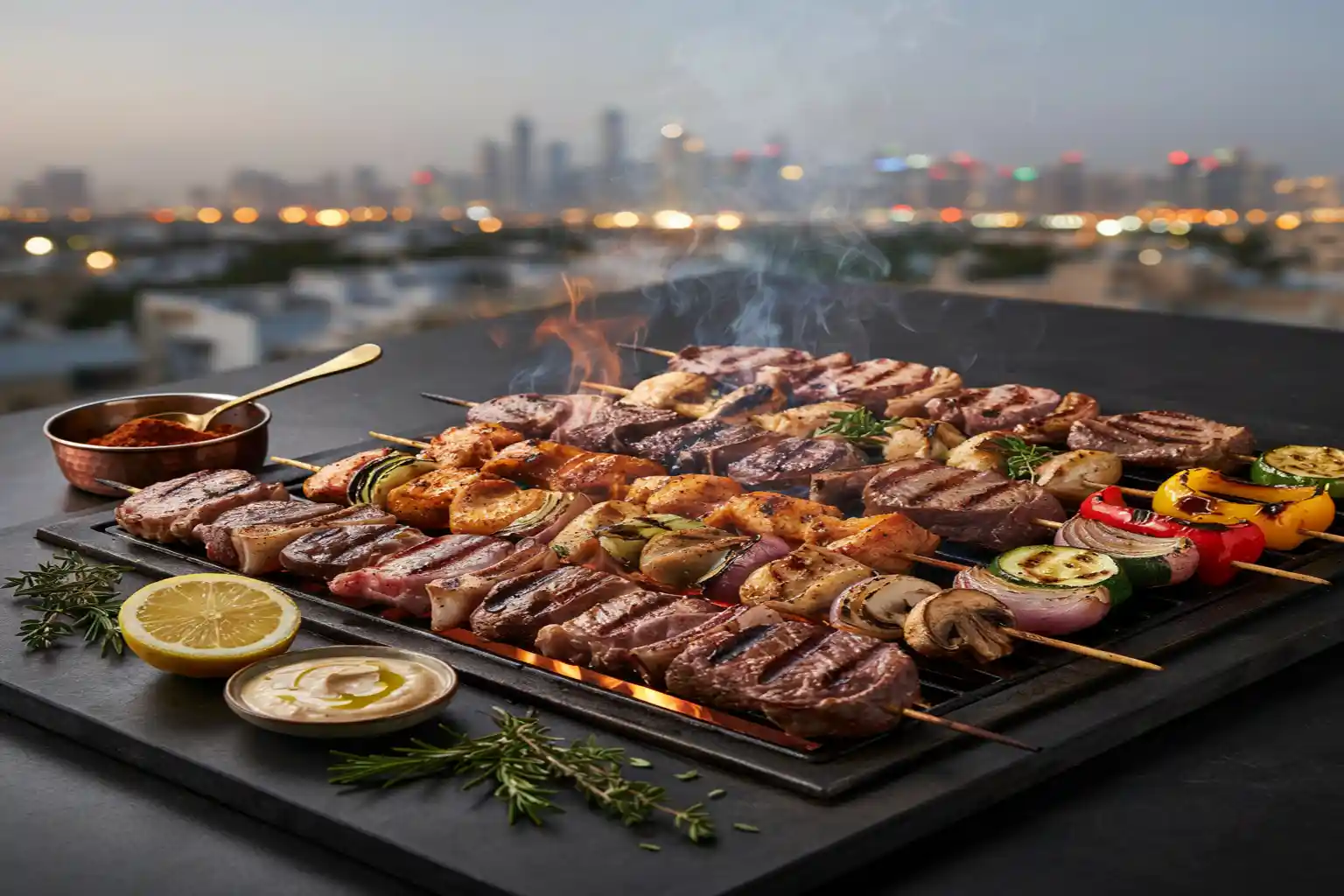
Working with an experienced provider of BBQ catering in Dubai can add excitement to outdoor weddings, where live grills and fresh servings often reduce food waste compared to pre-prepared buffets.
Catering for Parties
Parties, whether birthdays, anniversaries, or private gatherings, tend to have more casual dining setups. Here’s what to consider:
- Finger foods and snacks: Guests often graze, so smaller, frequent portions are ideal. Aim for 10–12 pieces per person if finger food is the main meal.
- Drinks and desserts: These usually move quickly at parties, so plan slightly above average.
- Mix of dishes: Offer a balance of hearty and light options, as people will want variety throughout the event.
When planning how to cater a party, the golden rule is flexibility. Offer a little extra variety to match different appetites while ensuring the menu matches the event’s vibe.
Catering for Corporate Events
Corporate functions come in many forms, from boardroom lunches to grand product launches. Portion planning here should emphasize professionalism and practicality:
- Short events (2–3 hours): Light snacks, canapés, and beverages are usually enough.
- Full-day conferences: Factor in three main meals plus coffee breaks. Include individually portioned items for ease and hygiene.
- Networking events: Guests often eat while standing, so bite-sized, easy-to-handle foods are best.
For many businesses, packed lunch catering in Dubai has become a popular choice. These individually prepared meals are portioned perfectly, making them ideal for offices, corporate events, and outdoor gatherings. They ensure freshness, convenience, and zero food waste.
Factors That Influence Portion Calculations
Several elements impact how much food you’ll need:
Guest Profile
Younger crowds may eat more than older guests. Similarly, male-heavy groups often consume more than mixed groups.
Event Duration
The longer the event, the more food you’ll need. A two-hour cocktail party requires fewer portions than an all-day conference.
Meal Style
- Buffets encourage variety and smaller portions.
- Plated dinners are predictable and easier to control.
- Family-style dining often requires larger portions.
Menu Variety
The more dishes available, the smaller the portions per dish can be. Guests prefer sampling over piling up one item.
Tips to Avoid Over or Under Catering
- Always add a buffer: Plan an extra 5–10% to account for unexpected guests or larger appetites.
- Use serving staff wisely: Professional servers can manage portion sizes better, reducing waste.
- Consider dietary needs: Vegan, vegetarian, or gluten-free options should be portioned based on expected demand.
- Track past events: If you’ve hosted similar functions before, use past consumption as a guide.
How Professionals Calculate Portions
Catering experts often rely on formulas. One common approach is:
Total food required = (Average portion size per person × Number of guests) + Buffer allowance
For example, if planning grilled chicken at 180 grams per guest for 100 guests:
180 g × 100 = 18 kg
Add 10% buffer = 1.8 kg
Total: 19.8 kg of chicken required
This approach applies across all dishes, ensuring balanced planning.
Conclusion
Mastering food portion calculations is the key to hosting stress-free and successful events. By considering guest profiles, event type, and serving style, you can avoid shortages and waste while keeping your budget in check.
Whether you’re planning a wedding, a private party, or a corporate function, the right strategy ensures guests leave happy and satisfied. Partnering with expert providers of catering services in Dubai, including breakfast catering in Dubai, makes the process smoother and more efficient.
Perfect portion planning transforms catering from a logistical challenge into a memorable dining experience that reflects both hospitality and professionalism.